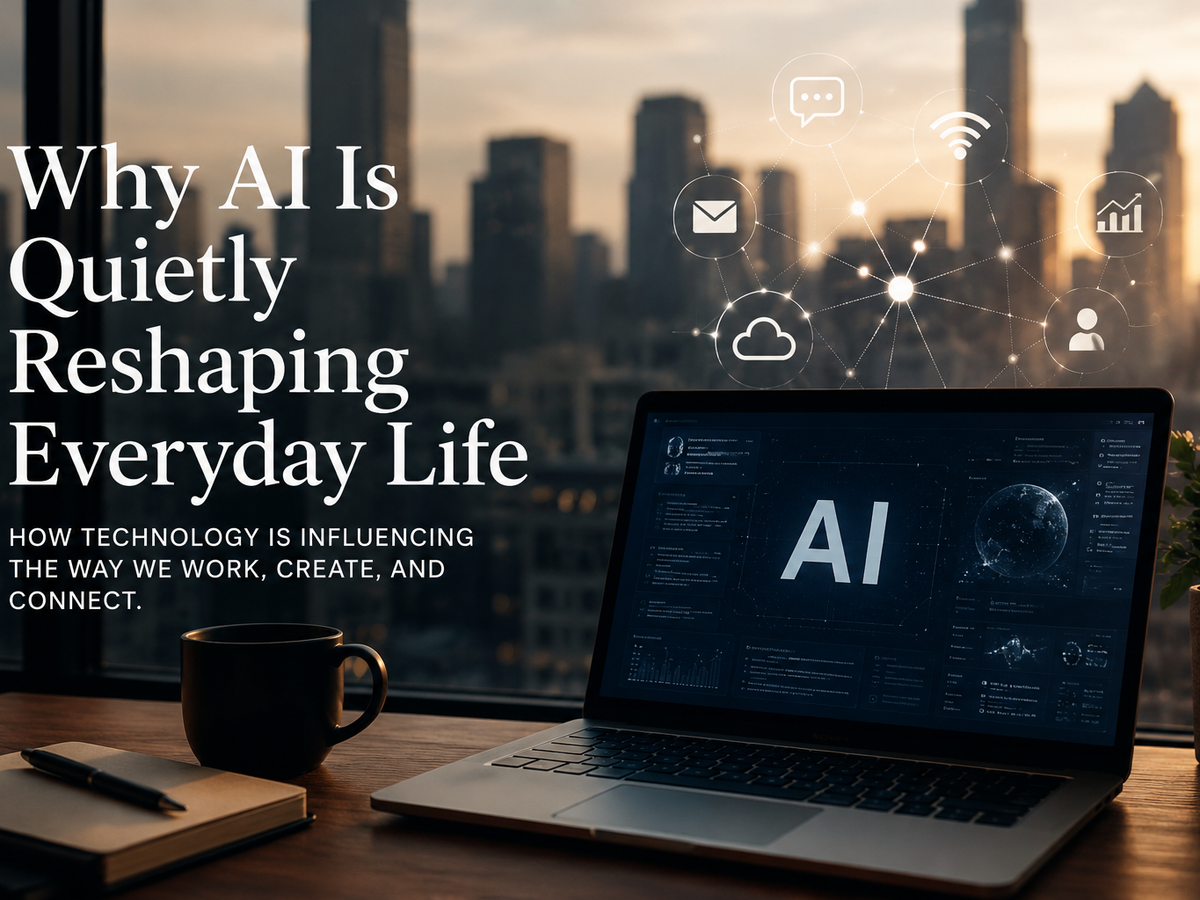
Why AI Is Quietly Reshaping Everyday Life
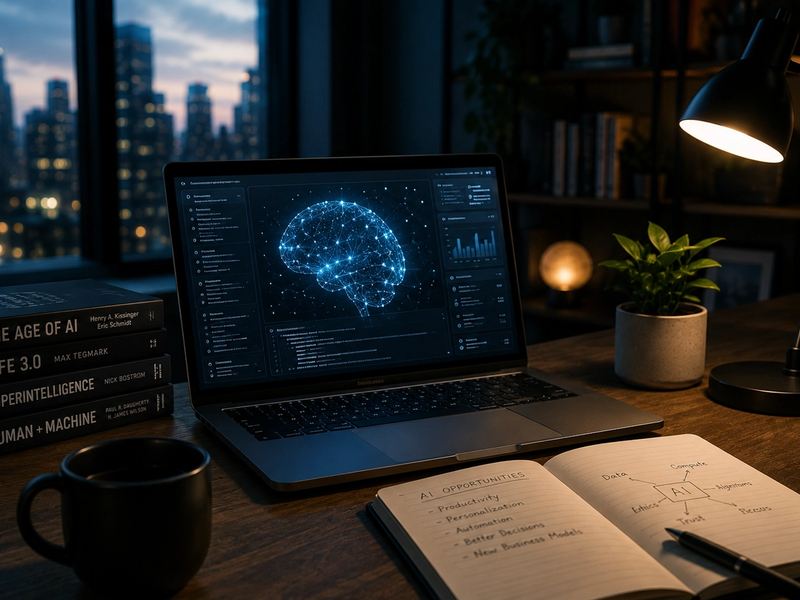
Artificial intelligence is no longer a futuristic concept reserved for Silicon Valley labs or science fiction films. It has become part of everyday life — often in ways most people barely notice. From recommendation algorithms on streaming platforms to smart assistants that organize schedules, AI is increasingly embedded into the systems people rely on daily. But the real transformation isn’t just technological. It’s cultural. The modern workplace, for example, is changing faster than most companies expected. Tasks that once required hours of manual effort — drafting emails, analyzing spreadsheets, summarizing meetings — can now be completed in minutes with AI-powered tools. For many professionals, the question is no longer whether AI will affect their careers, but how quickly they can adapt to working alongside it. At the same time, AI is reshaping creativity itself. Writers use it to brainstorm ideas, designers generate visual concepts in seconds, and entrepreneurs automate workflows that once demanded entire teams. The barrier between imagination and execution is becoming thinner. Still, the rise of AI introduces uncomfortable questions about identity and human value. If algorithms can write, design, code, and even simulate conversation, what becomes uniquely human? Some critics fear a future dominated by automation and synthetic content, while others believe AI will simply amplify human potential rather than replace it. The truth likely lies somewhere in between. Technology has always changed how people work and communicate. What makes AI different is the speed of adoption and the emotional reaction surrounding it. Unlike previous tools, AI interacts with language, creativity, and decision-making — areas traditionally associated with human intelligence itself. That is why the conversation around AI is no longer just about software. It is about trust, meaning, and the evolving relationship between people and machines. As the technology continues to advance, the most important skill may not be technical expertise alone, but the ability to think critically, adapt quickly, and remain deeply human in an increasingly automated world.